Lica Torres - Cerro Buena Vista
about the producer.
Don Lica and his family began building their wet mill Cerro Buena Vista in 2015. Selling cherries to local mills had become financially unsustainable and neighbours in the small region of Pérez Zeledón in Brunca in the south of Costa Rica were also achieving promising results processing their own coffee. One such neighbour is Jhon Alvarado Abarca - one of the first producers that nemesis visited on our travels.
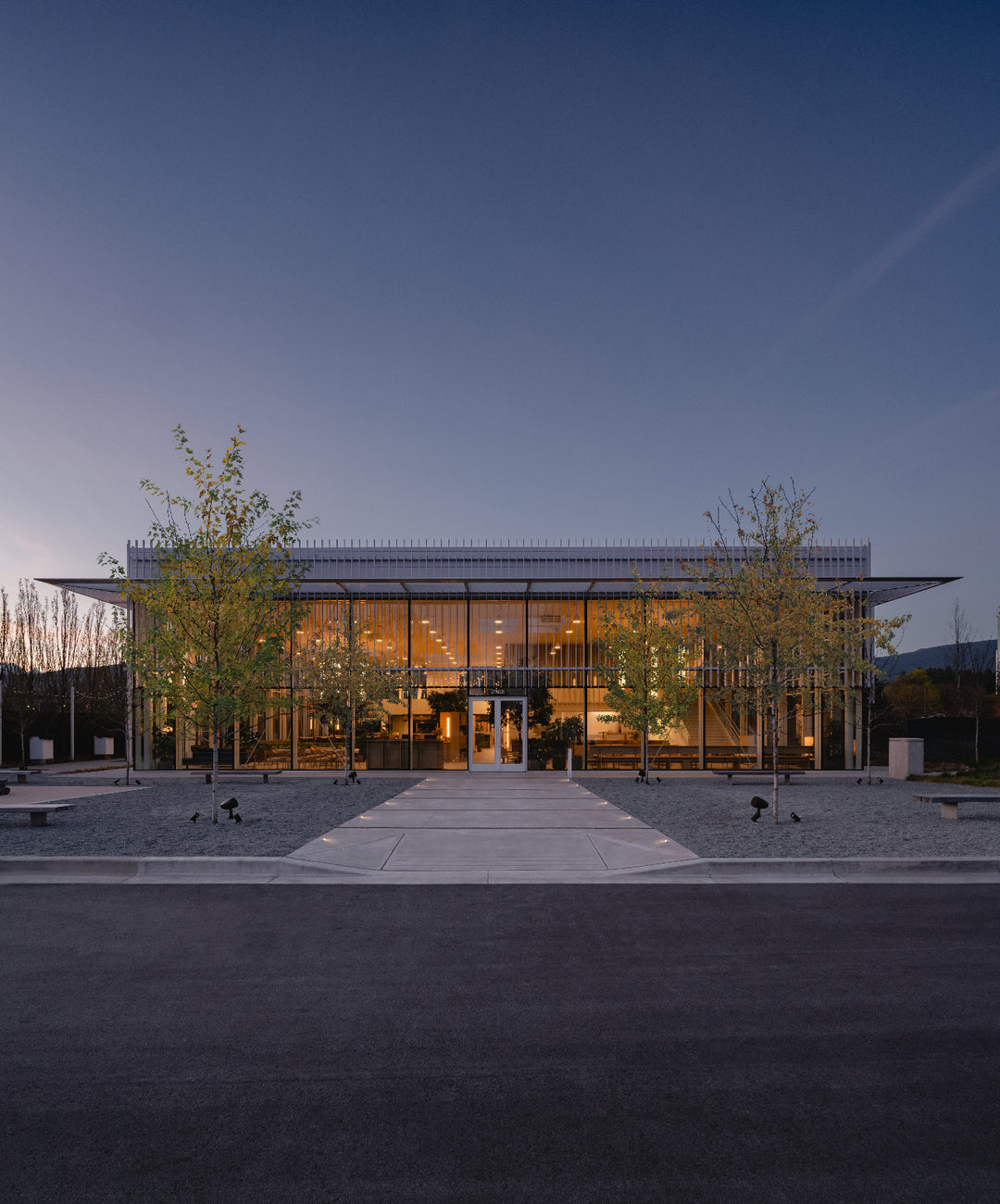
Costa Rica’s micromill revolution inspired coffee producers the world over to build their own processing and drying facilities. While the impact on coffee quality and flavour profiles has been incredible, the risk and hard work that producers assume to build these facilities should not be overlooked. The Torres family’s bold decision to build Cerro Buena Vista took their coffee journey to new heights and solidified the identity of their estate coffees.
Over the past ten years, Don Lica and his family have been refining and experimenting with their processing and drying techniques. At the same time they have been planting the world’s most sought after varieties at their three farms - Los Piños, La Fila, and La Toboba - and are now producing some of the best coffees in Costa Rica.
The small region of Brunca now regularly features in the upper echelon of Costa Rica’s Cup of Excellence competition and perhaps what is most exciting is that producers in these areas continue to experiment and share their successes with each other. The next generation is also getting involved and becoming passionate about pushing the boundaries of coffee quality. This is the first year that we are working with Don Lica Torres and we are featuring three unique lots, one from each of Don Lica’s farms, all processed at the family micromill Cerro Buena Vista.
about the coffee.
holiday feature - milenio - black cherry process.
Each year we select one outstanding coffee to bring home to family and friends and celebrate the season. The quality of Don Lica’s coffee is so impressive that we have selected this first lot as our 2025 Holiday Feature and we couldn’t be more excited to share this world class experimental coffee from their farm Los Piños and processed at the Cerro Buena Vista mill.
processing method.
The experimental processing method - fittingly named “Black Cherry” for the dark colour that the fruit turns - was remarkably discovered by accident. Whole coffee cherries were drying on the raised beds as part of a routine natural processing method when an unexpected rain storm hit the region. To protect the sensitive fruit it was gathered and packed into sealed bags and placed in a cool spot in their warehouse to wait for the rain to pass. Day after day the strom continued and Don Lica became increasingly nervous about the risk of overfermentation. After the first week of intense rain he all but gave up on the coffee, assuming that the cherries would show the overfermentation defect typical of improperly dried natural processed cherries. On the 13th day the sun appeared and the stored cherries were taken out of the bags. The now black coffee cherries did not look promising and were dried on raised beds to see if anything could be salvaged from this unfortunate situation. The result shocked everyone. Far from being destroyed, the cool temperatures of the warehouse had tempered fermentation significantly and the lot showed incredible potential. Along with an intense boozy quality from the anaerobic fermentation of the partially dried cherries there was an exciting level of acidity and sweetness that seemed to highlight the best parts of the coffee’s profile.
In the years since this first discovery Don Lica has continued to experiment and refine this new approach to processing. The first step is to seal the freshly picked ripe cherries in plastic sacks for 24 hours for a primary anaerobic fermentation. This starts developing the unique taste profile of the coffee. The rested cherries are then spread in thin layers on raised beds for maximum airflow and temperature control in Cerro Buena Vista’s covered drying area - to protect against any potential rainstorms!
During this initial drying the moisture content of the cherries is reduced to around 15-20%. This dehydration sufficiently reduces the possibility of overfermentation in the next phase. The cherries are collected and resealed in plastic sacks and placed in a cool controlled area for a 5 day slow secondary anaerobic fermentation. This is where the full boozy complexity and tropical sweetness are developed. Once the fermentation is completed the cherries are moved to a shaded patio where the cherries are laid out in a thin layer and raked regularly to maintain a slow and even drying for around a month until they reach the optimal water content of around 10-12%. This kind of innovation and attention to detail is truly inspiring and makes this a truly world class coffee.
varietal.
Milenio is a variety that we have grown to love because of its exceptional cup quality and its resistance to Coffee Leaf Rust - a disease that attacks the leaves of coffee plants, disrupting photosynthesis and killing the plant.
Milenio comes from the Sarchimor family, a group of hybrid varieties first developed in the 1960s in response to the spread of Coffee Leaf Rust. This first class of Sarchimor was achieved through cross-breeding the spontaneous Arabica x Robusta Timor Hybrid and the Bourbon mutation Villa Sarchi. These seeds were distributed just in time for the height of the 1970s Leaf Rust epidemic that decimated coffee production in the Americas. Research and development centres throughout Central and South America have worked with these initial Sarchimor seeds to develop region specific selections that provide optimal cup quality and disease resistance for each producing country.
After another devastating outbreak of Coffee Leaf Rust in 2012 and in response to the impacts of climate change, Coffee Research Institutes all over the world have been working collaboratively to further hybrid trials. Their goal is to develop varieties that are drought, rust, and pest resistant, while also achieving high cup quality and crop yields.
One such example is Milenio, an F1 hybrid resulting from cross-breeding the parent Sarchimor T5296 and the South-Sudan landrace variety Sudan Rume, which is known for its incredible rarity, high cup quality, and relative leaf resistance. The result is incredible cup potential - particularly at high altitudes like this lot planted at Los Piños at 1500 metres above sea level. Milenio’s cup quality paired with significant rust resistance makes this an increasingly popular selection for many specialty coffee producers in Central America.
cup profile.
mulled wine | tropical | stone fruit
The first sip reveals the rich boozy qualities of the multi-stage anaerobic fermentation and slow drying that reminds us of port wine and mulling spices. The texture is full bodied with a satisfying coating quality. On each subsequent sip the surprisingly sweet fruit qualities of the Milenio variety are revealed with notes of grilled pineapple, passionfruit, luxardo cherries and dried apricot. The finish is rich with notes of cacao nibs and anise.